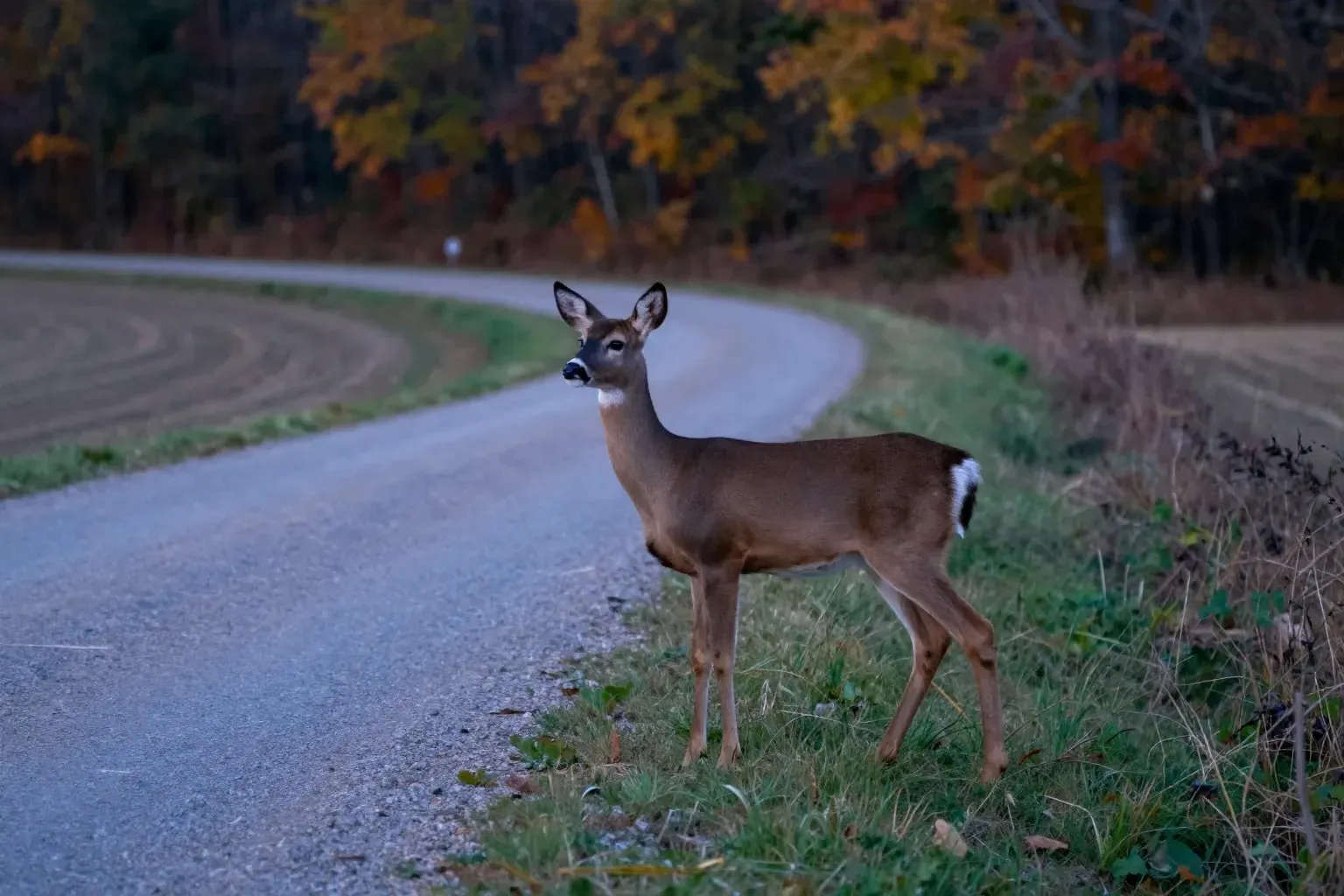
Deer and Wildlife Collisions: Comprehensive vs. Collision
Hitting a deer is usually a comprehensive claim, but swerving into a ditch is usually collision. How wildlife crashes are covered and what to do after one.
Auto insurance
We build your truck and car coverage around the roads you actually drive, from deer-season mornings to the long haul to town.
Out here a vehicle isn’t a luxury. It’s how the kids get to school 20 miles away, how feed gets home from the co-op and how you reach the specialist two counties over. We set up truck and auto coverage for rural households that drive long miles on two-lane highways and gravel, share the road with deer, and sometimes wait a long time for a tow.
A personal auto policy fits households whose vehicles are used mainly for personal driving, including commuting, school runs, errands and the occasional trip to the parts store. It’s usually the right starting point if you:
You may need something different if:
The Insurance Information Institute (opens in a new tab) describes six core coverages in a basic policy. Here’s how each one tends to matter on rural roads, plus the add-ons we ask about most.
| Coverage | What it pays for | Rural example |
|---|---|---|
| Bodily injury liability | Injuries you cause to other people | You slide on a gravel curve and the oncoming driver is hurt |
| Property damage liability | Damage you cause to others’ property, including fences and utility poles | Your truck takes out a neighbor’s fence line and a mailbox |
| Collision | Damage to your vehicle from hitting a vehicle or object, or rolling over | You swerve for a deer and end up against a culvert |
| Comprehensive | Non-collision damage: animals, theft, fire, weather, falling objects, glass | A buck hits your passenger door at dusk, or a limb drops on the hood in a storm |
| Medical payments or PIP | Medical costs for you and your passengers, regardless of fault (PIP may also cover lost wages) | Your kids are checked out at the ER after a ditch slide |
| Uninsured/underinsured motorist | Your injuries when the at-fault driver has no or too little insurance, or leaves the scene | A driver runs a stop sign at a county-road crossing and has only the minimum |
| Towing and labor or roadside (optional) | Tows, jump-starts, lockouts, flat changes, up to the policy limit | A breakdown 40 miles from the nearest shop |
| Rental reimbursement (optional) | A rental vehicle while yours is in the shop for a covered claim | Your only pickup needs body work during calving season |
Deer and other animals. Hitting an animal is a comprehensive claim under most policies, per III (opens in a new tab). The Highway Loss Data Institute, an IIHS affiliate, reports that animal-strike claims peak in November at more than twice the yearly average and are lowest in August. Its analysis found the average November claim from 2013 to 2022 was about $4,600, and West Virginia had the highest November claim frequency of any state, according to IIHS (opens in a new tab). These crashes also hurt people: IIHS counted 210 deaths in collisions with animals in 2024, per its fatality statistics (opens in a new tab). Swerving to avoid an animal and hitting something else is usually treated as collision, which is why collision coverage matters even if you think of deer as a comprehensive risk. Our post on deer and wildlife collisions covers how those claims are sorted.
Gravel and glass. Rock chips and cracked windshields fall under comprehensive, and some insurers waive the deductible for glass. See gravel roads and windshield glass claims.
Winter roads. Sliding into a ditch, a snowbank or another car is generally collision; a tree limb coming down under ice is generally comprehensive. Our winter driving and claims post has more examples.
Towing and rental. Rental reimbursement is an optional add-on, and III notes that standard auto insurance doesn’t automatically pay for a rental after a crash, per its rental coverage explainer (opens in a new tab). In a one-pickup household, that coverage can keep the operation running while repairs wait on parts. Towing limits are worth checking against your real distances; our guide to towing and roadside coverage shows how.
Auto premiums depend on several factors, and insurers weigh them differently:
If you’re running a mix of trucks and cars, our post on multi-vehicle households with farm use explains how insurers rate the fleet.
Auto insurance doesn’t have an open enrollment period. You can buy or change coverage any time. A few moments are worth planning around:
Good auto coverage in the country is about the long miles, the deer, the gravel and the distance to help. Book a free consultation with a licensed agent and we’ll review every vehicle in your driveway, explain what each coverage does on the roads you drive, and help you set limits that protect what you’ve built.
If you carry comprehensive coverage, hitting a deer or other animal is generally a comprehensive claim, subject to your comprehensive deductible. Without comprehensive, damage to your own vehicle from an animal strike usually isn't covered. Liability-only policies pay for damage you cause to others, not to your truck.
That's usually handled as a collision claim, not comprehensive, because your vehicle struck an object or left the road. Collision typically carries its own deductible, which may be higher than your comprehensive deductible. Policies differ, so we'll show you how yours reads before deer season.
IIHS data shows animal-strike claims peak in November, during deer mating season, at more than twice the yearly average, and are lowest in August. Dawn and dusk driving in fall is when many rural drivers see the most deer. It's a good time to confirm your comprehensive deductible is one you can pay.
Many personal auto policies extend some liability coverage to a trailer while it's attached to a covered vehicle, but damage to the trailer itself often needs to be listed on the policy or covered separately. Policies vary widely on this point. Tell us what you tow and how often, and we'll confirm how your policy treats it.
It depends on how the truck is used and who owns it. Occasional personal and farm errands are often fine on a personal policy if they're disclosed, but hauling for pay, titling the truck to a business or regular commercial use can call for a farm or commercial policy. Our farm, ranch and business-use vehicles page covers where that line usually falls.
Most rural households should consider it. State minimums are set low, and a serious crash involving injuries can exceed them quickly, leaving your savings, equipment or land exposed. The Insurance Information Institute recommends buying more than the minimum if you have assets to protect.
For many rural drivers, yes. Towing and labor or roadside assistance add-ons are usually inexpensive, but they have limits per breakdown or per mile, and a long tow from a remote road can exceed a low limit. Check the limit against the actual distance to the shop you'd use.
Generally yes. Windshield damage falls under comprehensive, and some insurers waive or reduce the deductible for glass repair. Fixing a small chip early can keep it from spreading into a full replacement.
Maybe. If the vehicle's value is low compared with the yearly cost of collision plus your deductible, dropping it can make sense. Many rural owners keep comprehensive on an older truck because deer strikes, hail and falling limbs are common and comprehensive tends to cost less. Our post on older vehicles walks through the math.
Last reviewed by the Pinemark Licensed Agent Team on October 19, 2026.
Important information
Auto insurance rates, discounts and coverage options vary by state, carrier, driver and vehicle, and all discounts are subject to eligibility. State minimum liability requirements differ; minimum limits may not fully protect you after a serious accident.
Plans, benefits and pricing vary by state and carrier. Quotes aren’t final until the carrier issues a policy.
Keep reading
Hitting a deer is usually a comprehensive claim, but swerving into a ditch is usually collision. How wildlife crashes are covered and what to do after one.
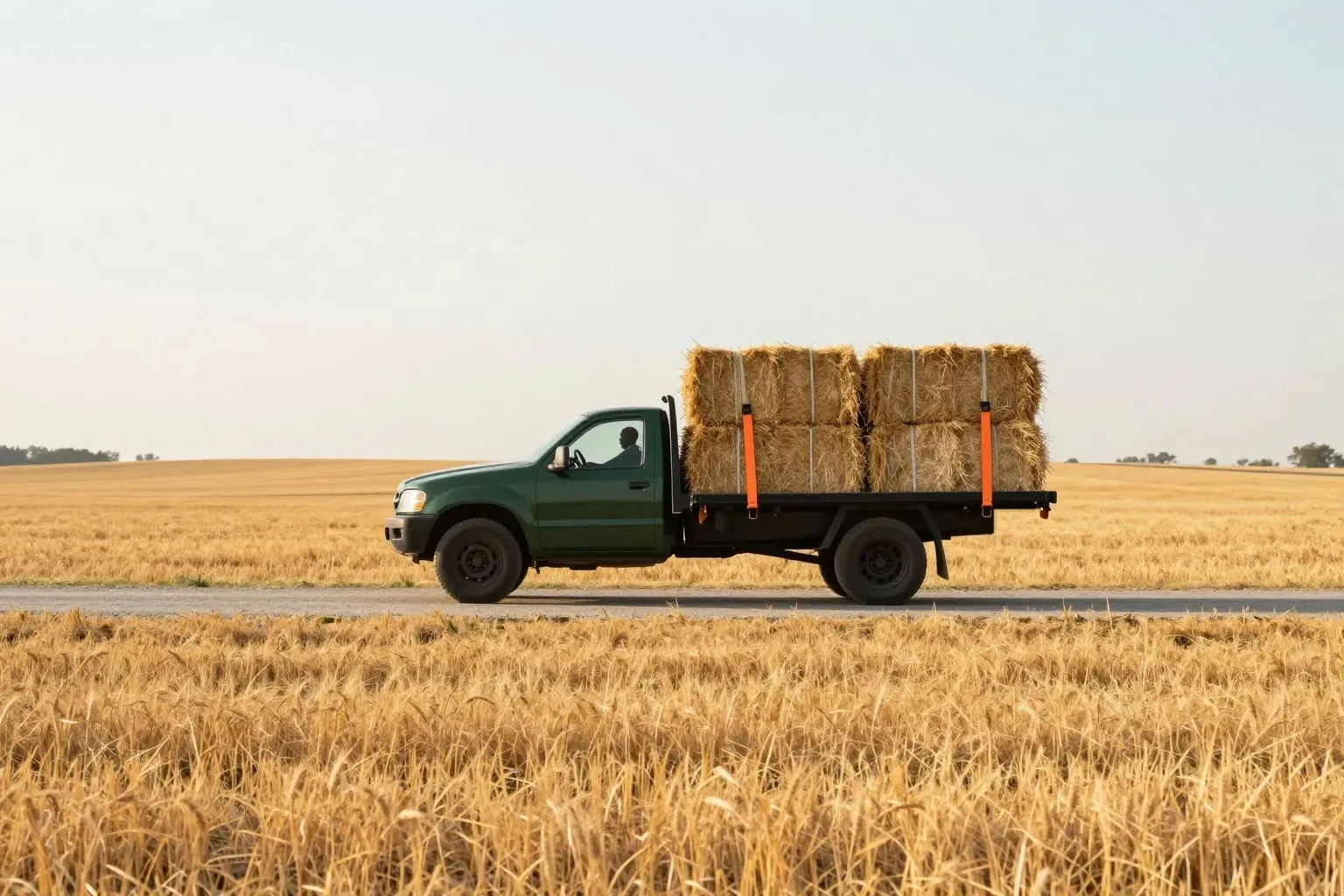
How towing, hauling and business use affect pickup truck insurance, when a personal auto policy stops fitting, and what to tell your agent.
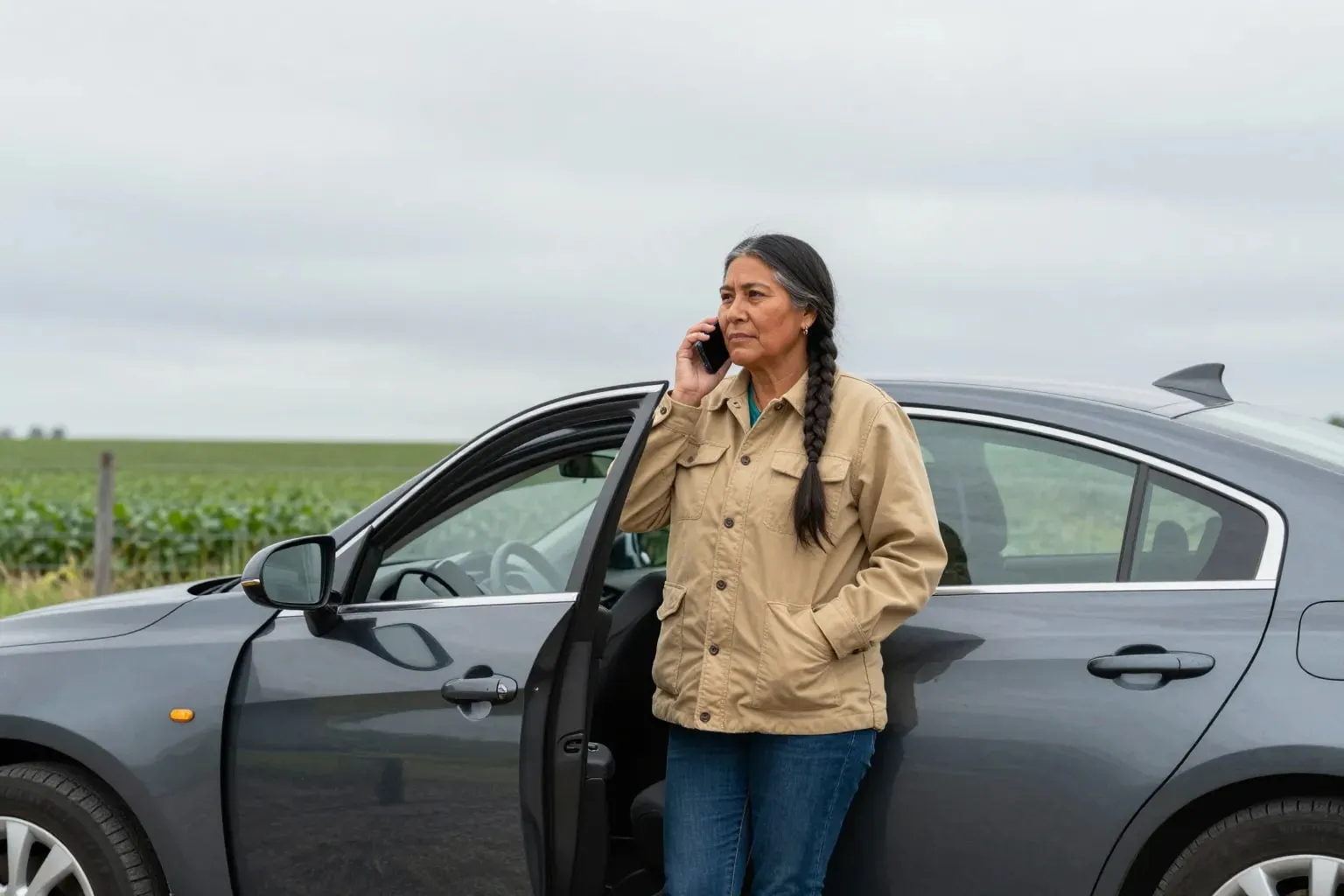
Towing coverage pays to move a car that can't be driven, but limits matter when the shop is 50 miles off. Here's what to check before you need a tow.
Talk to a licensed agent
Book a time with a licensed agent. We’ll look at health and auto coverage for your whole household, including the doctors and roads you actually use. There’s no cost and no obligation.