Most winter driving claims come down to one question: did your vehicle hit something, or did something happen to it? Sliding off an icy road into a ditch, a post or another car is a collision claim. Ice falling from a roof, a tree limb coming down under snow load, or hitting a deer on a dark January evening is comprehensive. A dead battery or a cracked engine block from cold is mechanical, and auto insurance generally doesn’t cover it at all.
Knowing which bucket you’re in before winter arrives helps you choose deductibles, decide whether towing coverage is worth it, and avoid surprises when you’re standing in a snowy ditch.
How winter losses usually sort out
Triple-I explains that collision covers damage from hitting another vehicle or an object, flipping over, and potholes (opens in a new tab), while comprehensive covers non-collision events such as falling objects (including ice), animal contact, fire, theft, flood and weather. Here is how that plays out on rural roads in winter:
| Winter situation | Coverage that usually applies | Notes |
|---|---|---|
| Slide on black ice into a ditch, culvert or fence post | Collision | Damage to the fence owner’s property falls under your property damage liability |
| Rear-end another driver at a snowy stop sign | Liability for their damage, collision for yours | Fault rules vary by state |
| Rollover after catching a soft shoulder | Collision | |
| Frost-heave pothole bends a rim or tie rod | Collision | Triple-I lists pothole damage under collision |
| Ice or snow sliding off a barn roof onto the hood | Comprehensive | Falling objects |
| Tree limb snaps under ice and lands on the truck | Comprehensive | |
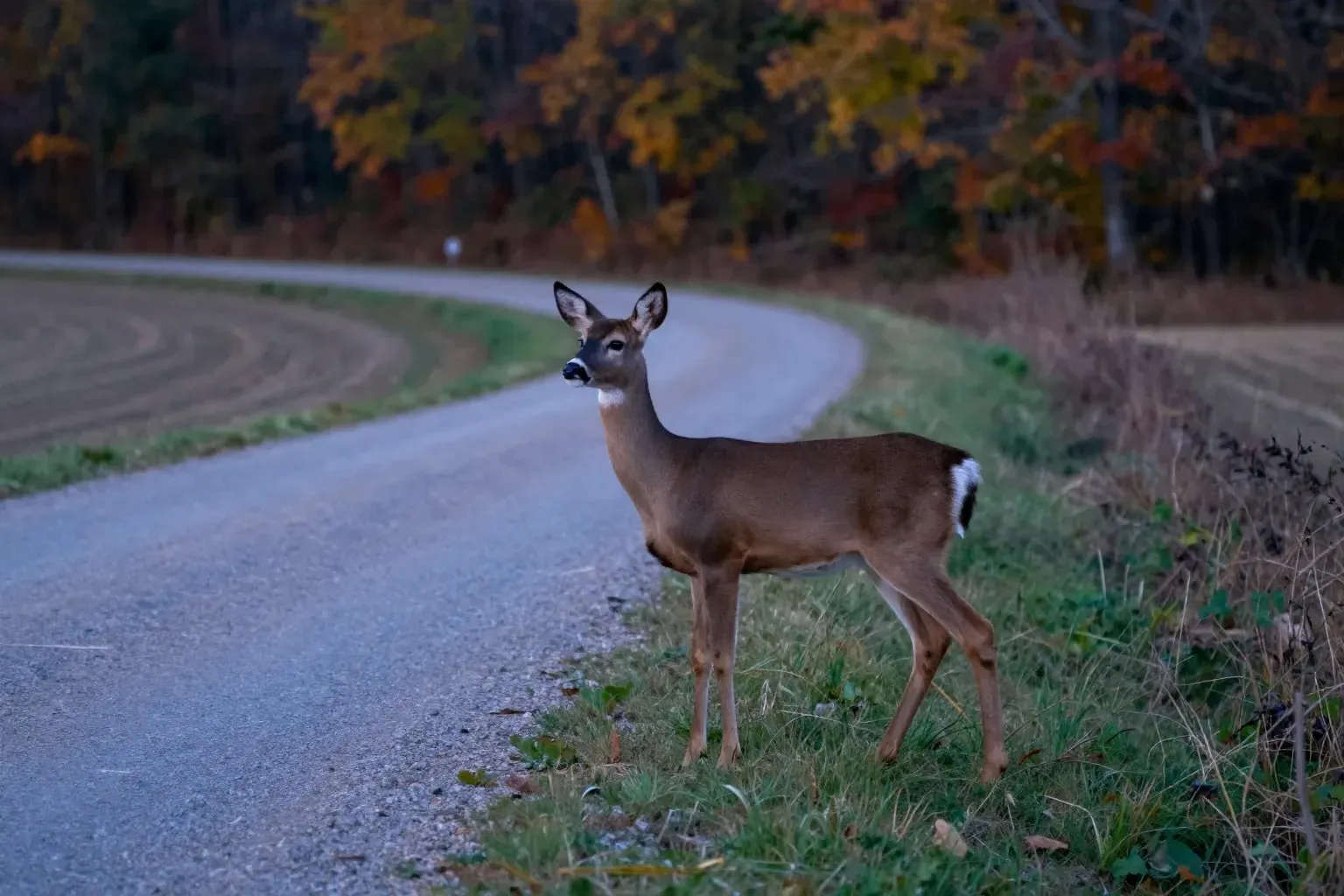
| Deer strike on a dark winter evening | Comprehensive | Swerving and hitting a tree instead is usually collision |
| Hail or windstorm damage | Comprehensive | |
| Battery dies at minus 10 degrees | Not covered (mechanical) | Towing or roadside coverage may help with the jump or tow |
| Engine damage from frozen coolant | Not covered (maintenance) | |
| Injuries to you or passengers | Medical payments or PIP, depending on your state | Health insurance also applies |
| Hit by a driver with no insurance | Uninsured motorist, if you carry it |
That deer line is worth a second look. If you brake hard for a deer, miss it, and slide into the ditch, it’s usually a collision claim, not comprehensive. Our guide to deer and wildlife collisions explains why insurers draw that line and how it affects your deductible.
If you only carry liability
Liability coverage pays for damage and injuries you cause to other people. It doesn’t fix your own vehicle. So if you slide into a ditch on an empty road and bend the front end, a liability-only policy pays nothing for your truck. If you hit a mailbox or fence on the way in, liability covers the owner’s property.
This is the trade-off many rural households make on an older second vehicle. It can be a reasonable choice, but make it on purpose, before winter. Our post on when to drop collision on an older vehicle walks through the numbers.
Mechanical problems are a different category
Triple-I is clear that collision doesn’t cover mechanical failure or normal wear and tear (opens in a new tab). In winter, that rules out a lot of common headaches:
- Batteries that give out in the cold
- Gelled diesel fuel
- Frozen or cracked engine blocks from weak coolant
- Worn wiper motors, heaters or defrosters
- Tires that wear out faster on salted roads
Where insurance can help is getting you to a shop. The NAIC describes towing and roadside coverage as paying when your car can’t be driven (opens in a new tab), for example a tow to a service facility. When the nearest open shop is 40 miles away, that coverage starts to matter. We go deeper in our post on towing and roadside coverage when help is far away.
Rural winter scenarios we hear about
The ditch with no damage. Imagine you slide off a county road into soft snow, and nothing is bent. You still need to be winched or towed out. That isn’t a collision claim, because there’s no damage to repair, but towing coverage may pay for the pull-out depending on how your policy defines covered services.
The plow ridge. You clip a hard-packed snow ridge left by a plow and crack the front bumper and a fog light. That’s damage from hitting an object, so it’s collision.
The roof slide. Heavy wet snow lets go from the machine shed roof and dents the hood of the farm truck parked beside it. That’s a falling object, so it’s comprehensive.
The long drive to a specialist. You’re on a two-hour highway trip to a medical appointment in the city when a semi throws slush and a chunk of ice cracks the windshield. Glass damage is usually comprehensive. Our post on gravel roads and windshield claims covers the states that waive glass deductibles.
Winter claim checklist
If you end up in a ditch or a fender bender this winter:
- Get to safety first. NHTSA advises that if you’re stranded, you stay with your vehicle (opens in a new tab), make it visible, and clear snow from the exhaust pipe before running the engine.
- Call 911 if anyone is hurt or the vehicle is blocking a road.
- Take photos of the vehicle, the road surface, any signage and any property you hit.
- Exchange information with any other driver involved.
- Note the location precisely. On rural roads, a mile marker or GPS pin helps a lot.
- Report the loss to your insurer promptly, even if you’re not sure you’ll file.
- Keep receipts for towing, winching and any emergency lodging.
- If government equipment such as a county plow was involved, ask your insurer about local claim deadlines right away.
Getting your vehicle ready (and why it matters for claims)
Insurance pays after the fact. Preparation is what keeps you out of the ditch. NHTSA’s winter driving guidance (opens in a new tab) recommends:
- Check tire pressure against the door-frame label (pressure drops as the temperature does), check tread, and consider snow tires.
- Have the battery, charging system and belts tested before the first deep freeze.
- Use de-icing washer fluid, replace worn wipers, and make sure the defroster works.
- Look up your VIN for open safety recalls on NHTSA.gov.
- Keep the fuel tank close to full, or an EV well charged.
- Tell someone your route and when you expect to arrive.
NHTSA also suggests a car kit with a shovel, broom and ice scraper, sand or cat litter for traction, jumper cables, a flashlight, flares or warning markers, blankets, a phone charger, water, food, and any medications you need. On a back road with weak cell signal, that kit can carry you through a long wait.
Coverage to review before winter
Before the first snow, it’s worth looking at:
- Collision deductible. If a ditch slide would leave you choosing between paying a large deductible and driving a damaged truck, consider whether a different deductible fits your budget.
- Towing and roadside. Check what it pays for, whether it covers winch-outs, and whether there’s a per-incident limit.
- Rental reimbursement. If you have one vehicle for a long commute, a few weeks without it is a real problem.
- Uninsured and underinsured motorist. Winter crashes can be serious, and not every driver is properly insured.
- Medical payments or PIP. These coordinate with your health plan. If your health deductible is high, it’s worth understanding both. See our rural health plans page for the health side.
We review these line by line on truck and auto insurance policies. If any of your vehicles do farm or business work in winter, such as plowing a lane or hauling hay, make sure the use is listed. Our farm, ranch and business-use vehicles page explains why.
Next step
Winter is easier to handle when you already know what your policy will and won’t do. Book a free consultation with a licensed agent and we’ll walk through your collision, comprehensive, towing and rental coverage before the roads turn.
Frequently asked questions
Is sliding off an icy road into a ditch covered?
Damage to your own vehicle from sliding into a ditch, fence or culvert is usually a collision claim, so it's covered only if you carry collision coverage. Damage you cause to someone else's property, like a neighbor's fence, falls under your property damage liability.
Does auto insurance cover a dead battery or frozen engine?
No. Standard auto coverage doesn't pay for mechanical breakdowns or wear and tear, including cold-weather battery failure. Towing or roadside coverage, if you have it, may pay to get the vehicle jumped or towed.
Is ice or snow falling off a roof onto my truck covered?
Falling objects, including ice, are listed by Triple-I among the perils comprehensive coverage handles. You would pay your comprehensive deductible.
Who pays if a snowplow hits my car?
It depends on who operates the plow and on your state's rules for claims against government entities, which often have short filing deadlines. Your own collision coverage can usually pay first, and your insurer may pursue the other party. Report it to your insurer promptly.
Do I have to report a minor winter fender bender?
Your policy requires prompt notice of accidents, and many states require a police or DMV report above certain damage thresholds. Reporting promptly protects your claim even if you end up not filing.
Sources
- NHTSA: Winter Weather Driving Tips (opens in a new tab)
- Triple-I: What is covered by collision and comprehensive auto insurance? (opens in a new tab)
- Triple-I: What is covered by a basic auto insurance policy? (opens in a new tab)
- Triple-I: Auto insurance basics, understanding your coverage (opens in a new tab)
- NAIC: What does auto insurance cover? (opens in a new tab)