Towing and roadside coverage is an optional add-on that pays to get a vehicle that can’t be driven moved to a repair shop, and often covers smaller help such as a jump start, a tire change or a lockout. For rural drivers, the coverage you want isn’t just “towing.” It’s towing with limits that actually reach a shop from where you live, plus clear rules on winch-outs and gravel-road service.
Here’s what to check, how it fits with your other coverage, and where rural households most often get caught short.
What towing and roadside coverage is
The National Association of Insurance Commissioners (NAIC) describes towing and emergency road service as optional coverage that pays the cost of towing your car to a repair shop (opens in a new tab). Its consumer guide (opens in a new tab) gives examples like a tow to a service facility or help when you lock your keys in the car.
Insurers name it differently: towing and labor, emergency road service, roadside assistance. The details differ more than the names. Some policies pay a set dollar amount per disabled vehicle. Others send a contracted tow provider and cover a set distance. Some reimburse you after you pay out of pocket.
Why rural drivers should read the fine print
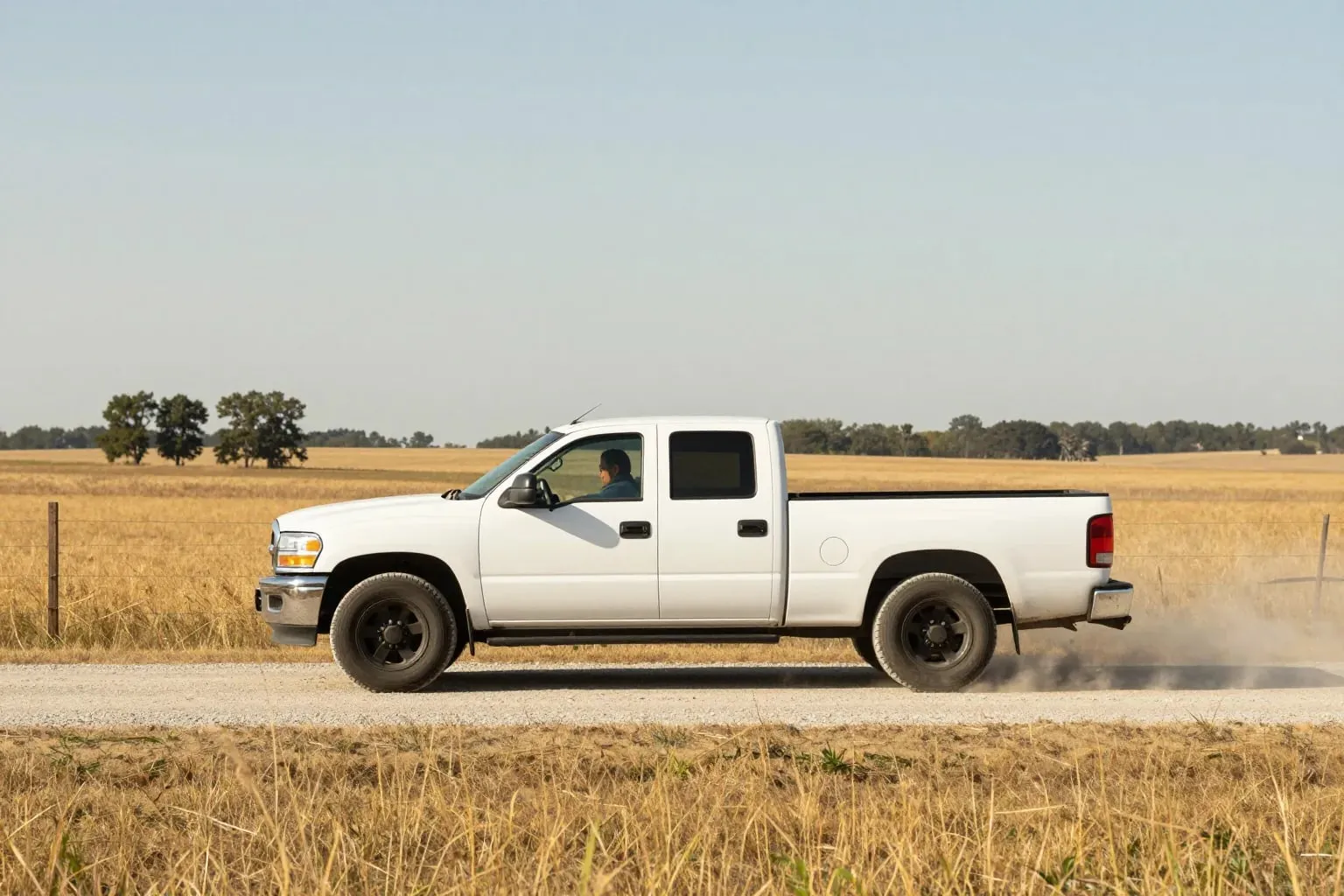
A tow limit that works fine in a city can fall short when the nearest shop that can handle a diesel pickup is an hour away. Things that matter more out here:
- Distance or dollar caps. A per-incident limit can be used up by a long tow before you reach the shop you want.
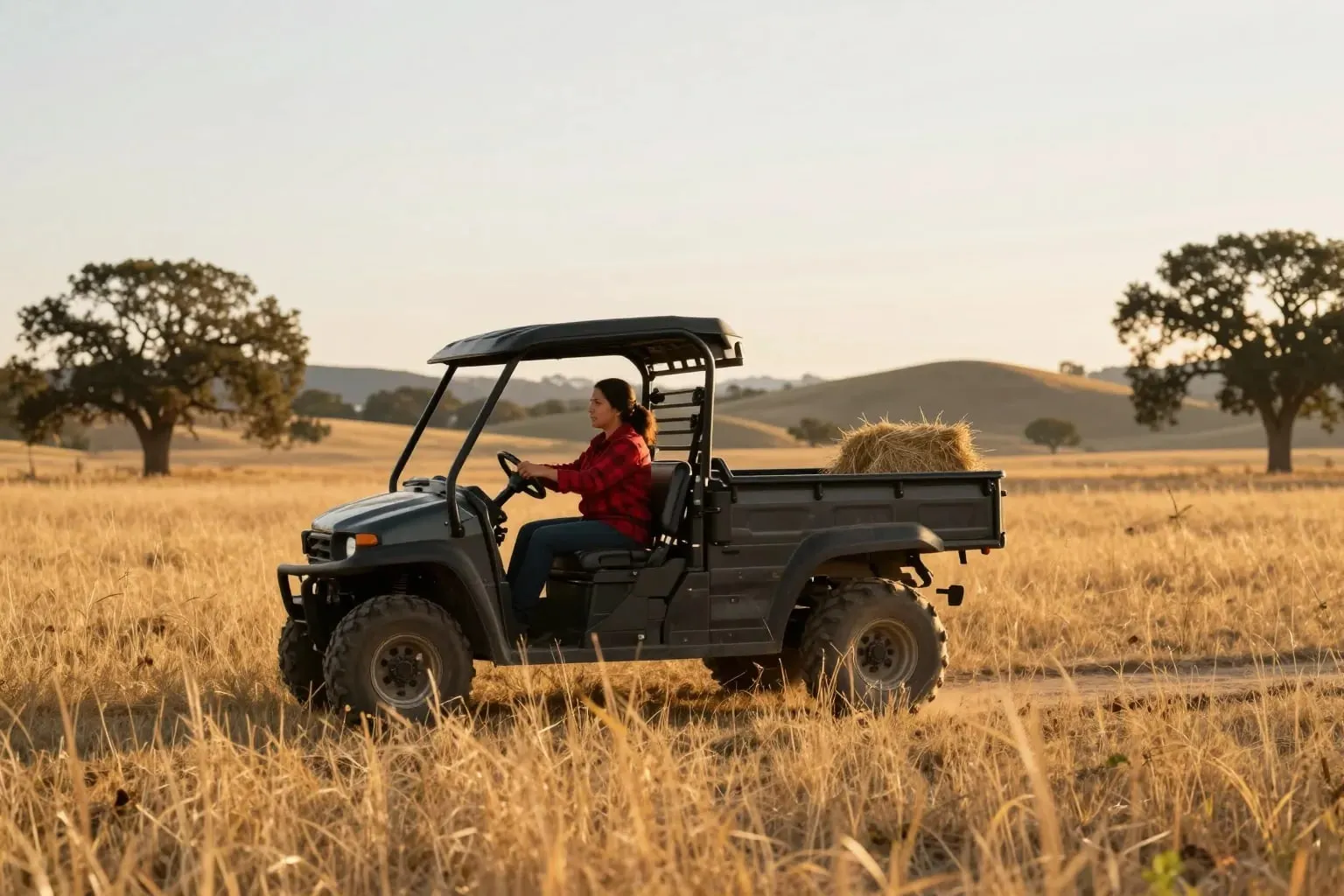
- Winching and extraction. Sliding into a snowy ditch or getting stuck on a muddy lease road is common. Some coverage includes winching near a road, and some limits it.
- Where the vehicle is. Many roadside programs expect the vehicle to be on or near a maintained road. A truck stuck in a pasture or on a field track may not qualify.
- Response times. Coverage is only as good as the tow operators who’ll answer. In sparsely served areas, ask how a provider is found and what happens if none is available.
- Vehicle size. Heavy-duty pickups, especially with a gooseneck or fifth-wheel hitch, may need a larger tow truck. Ask whether that costs extra.
- Reimbursement process. If you hire a local wrecker yourself, find out what receipts and documentation the insurer needs to pay you back.
How towing fits with your other coverages
Towing coverage isn’t the only part of a policy that can pay for a tow. Here’s the general picture:
| Situation | What may pay for the tow | What pays for the repair |
|---|---|---|
| Slide into a ditch with damage | Collision claim (reasonable towing is often part of it) or towing coverage | Collision, minus your deductible |
| Deer strike leaves the truck undrivable | Comprehensive claim or towing coverage | Comprehensive, minus your deductible |
| Breakdown with no accident (fuel pump, transmission) | Towing or roadside coverage only | Not covered by auto insurance (mechanical) |
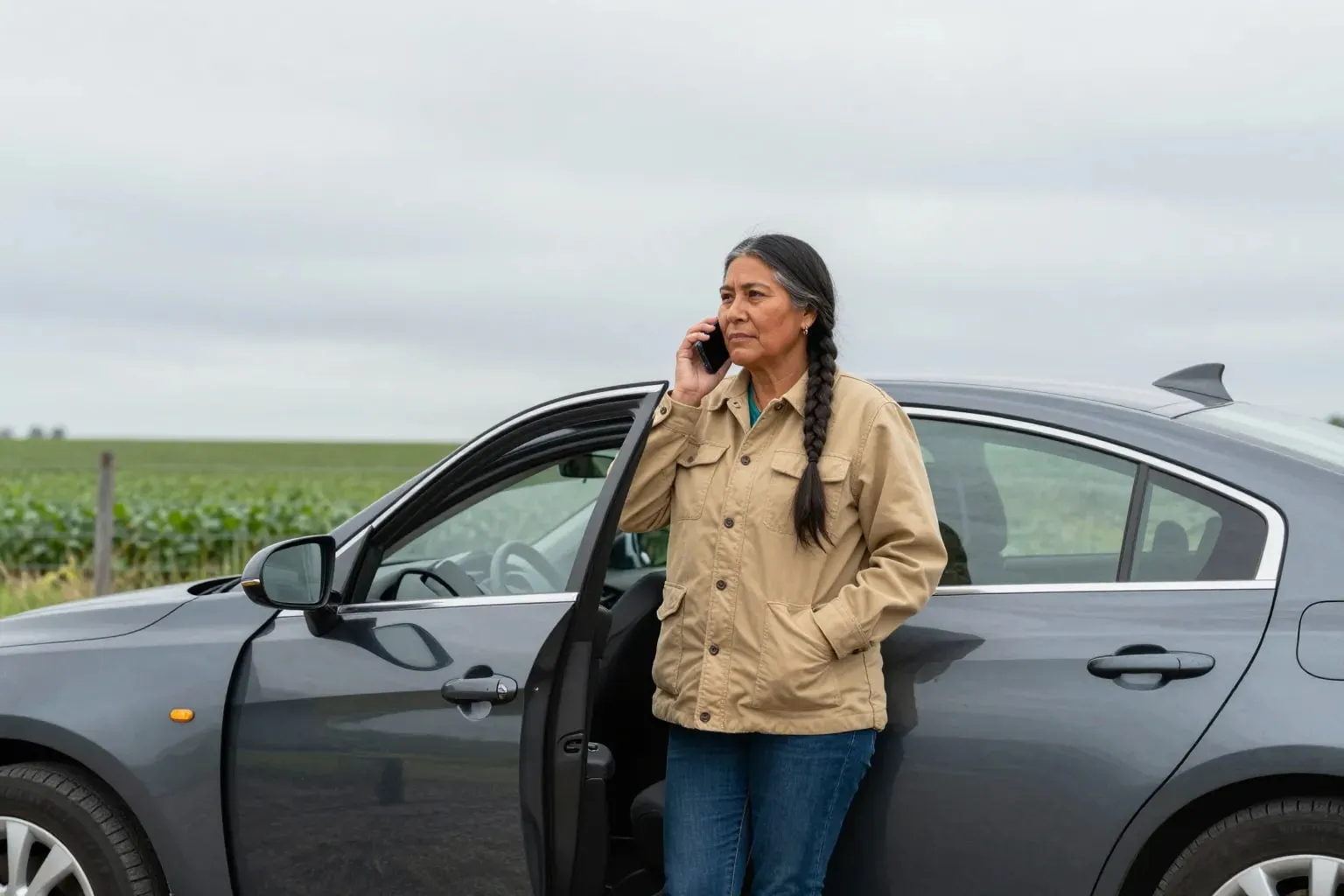
| Dead battery, flat tire, lockout | Roadside coverage, if included | Not applicable |
| Stuck with no damage | Roadside coverage, if winching is included | Not applicable |
| Not-at-fault crash | Other driver’s liability, or your own coverage first | Other driver’s liability or your collision |
Mechanical failure is the big gap. Triple-I notes that collision doesn’t cover mechanical failure or normal wear and tear (opens in a new tab), so a blown transmission on a two-lane highway is exactly where standalone towing coverage earns its keep.
Rental reimbursement: the companion coverage
When the shop is far away and parts take time, getting home is only half the problem. Triple-I explains that your policy generally won’t pay for a rental after an accident unless you’ve added rental reimbursement (opens in a new tab). The NAIC notes that rental coverage pays when your vehicle is damaged by a covered loss and typically has daily and total limits.
Two rural points to keep in mind:
- Rental coverage generally follows a covered loss. A breakdown with no accident usually doesn’t trigger it.
- Rental counters can be far away. If the closest location is in the county seat, ask how the insurer handles delivery or alternate transportation.
Roadside memberships vs. policy coverage
The NAIC points out that auto club and other memberships may already include some of these services (opens in a new tab). Many new vehicles also come with roadside assistance from the manufacturer for a few years, and some credit cards offer it. Before you pay twice, compare:
- How far each one tows, and whether longer tiers are available
- Whether coverage follows the person (any vehicle you’re in) or the vehicle
- Winching, fuel delivery and lockout limits
- How many service calls a year are allowed
- Whether a call counts against your insurance record
Some households keep a membership for the person who drives the most miles and policy-based towing on the vehicles. It depends on how you use them.
Imagine a few common calls
The far-off specialist trip. Imagine you’re driving three hours each way for a specialist appointment and the alternator dies halfway home. No accident, so collision and comprehensive don’t apply. Towing coverage, if you have it, is what gets the truck to a shop. If you make long medical drives regularly, our post on rural health insurance networks is worth reading too.
The ice storm ditch. You slide into a ditch on a gravel road with only a scuffed bumper. The truck runs but needs a winch-out. Roadside coverage with winching may handle it without a collision claim. Our post on winter driving and claims covers the rest.
The deer at dusk. A deer takes out a headlight and radiator. That’s comprehensive, and the tow may be paid as part of that claim. See deer and wildlife collisions.
Checklist: what to have ready before you need a tow
- Your insurer’s claims and roadside number saved in your phone and written on a card in the glove box
- Your policy number and the VIN for each vehicle
- The name of the shop you’d want each vehicle towed to, and its distance from home
- Your towing limit (distance or dollar amount) and whether winching is included
- Rental reimbursement limits, if you carry them
- A local wrecker’s number in case the insurer’s network can’t reach you
- A winter kit in the vehicle. NHTSA recommends jumper cables, a flashlight, flares or markers, blankets, water, food and a phone charger (opens in a new tab), among other items.
Is towing coverage worth adding?
It tends to make the most sense if you:
- Drive long distances on roads with few services
- Rely on one or two vehicles with no easy backup
- Drive an older truck that’s more likely to break down
- Don’t already have a membership or manufacturer plan that covers the same ground
It may be less important if you already have strong roadside coverage elsewhere or keep a spare vehicle and a trailer ready.
When we build a truck and auto policy, we price it with and without towing so you can see the difference. For farm trucks and work vehicles, we also check whether the coverage applies to how the vehicle is actually used; see our farm, ranch and business-use vehicles page.
Next step
Find out what your policy would actually pay before you’re stranded on a back road. Book a free consultation with a licensed agent, and we’ll check your towing, winching and rental limits against the distances you really drive.
Frequently asked questions
Is towing included in a standard auto policy?
Usually not automatically. The NAIC describes towing or emergency road service as an optional coverage you add to your policy. If you have collision or comprehensive and the tow follows a covered loss, that claim may also pay reasonable towing, so check your policy wording.
Does towing coverage pay for a winch-out from a ditch?
Many roadside coverages include some form of winching or extraction when the vehicle is stuck near a road, but definitions and limits vary. Some exclude vehicles that are off-road or stuck far from a maintained road. Read the covered services list or ask us to check.
Do I need both a roadside membership and towing on my policy?
Not necessarily. The NAIC notes that auto club and other memberships may already include some of these services. Compare what each one pays, how far it tows and how long response times are in your area before paying for both.
Will using roadside assistance count as a claim?
Insurers treat roadside usage differently. Some log it as a claim and some don't, and frequent use may be reviewed at renewal. Ask your insurer how it handles roadside calls.
Does towing coverage apply to my trailer or farm equipment?
Usually it applies to the vehicle listed on the policy, not to trailers, implements or cargo. If you tow a stock or equipment trailer, ask how a breakdown of the tow vehicle with a loaded trailer is handled.
Sources
- NAIC: What does auto insurance cover? (opens in a new tab)
- NAIC: Best practices for buying auto insurance (opens in a new tab)
- Triple-I: Does auto insurance cover a rental replacement car after an accident? (opens in a new tab)
- Triple-I: Auto insurance basics, understanding your coverage (opens in a new tab)
- NHTSA: Winter Weather Driving Tips (opens in a new tab)