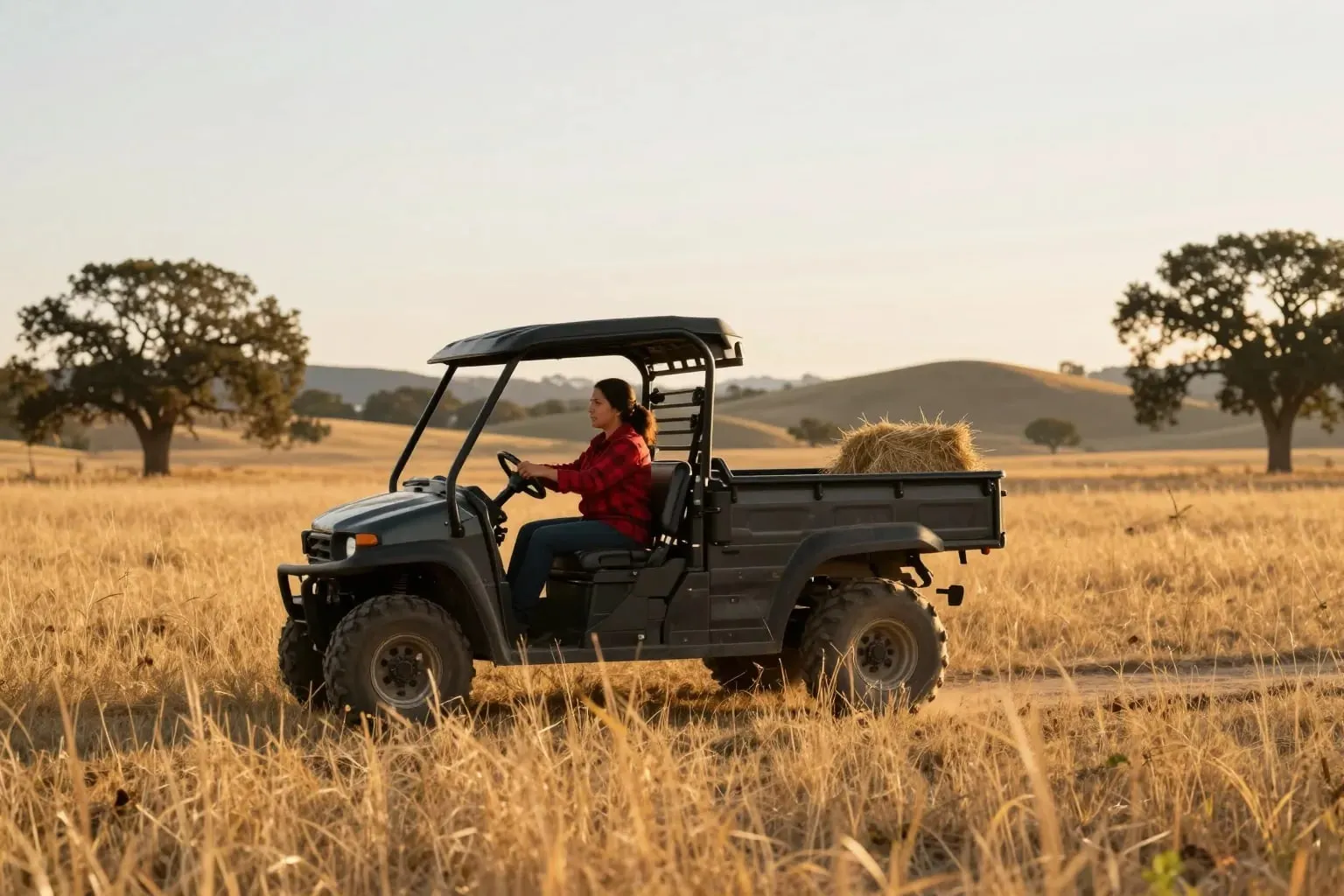
In most cases, your personal auto policy does not cover an ATV or UTV. Auto policies are generally written for vehicles designed for public roads, and many specifically exclude vehicles built mainly for off-road use. Coverage for four-wheelers and side-by-sides usually comes from a separate recreational vehicle policy, an endorsement, or a farm policy, and the right choice depends on whether you ride for chores, recreation, or on public roads.
State rules add another layer. Some states require insurance only when an off-highway vehicle is made street-legal, and the rules on registration and road use vary a lot. Here’s how to sort it out.
Where ATV and UTV coverage usually comes from
| Coverage source | What it’s usually built for | Common limits or gaps |
|---|---|---|
| Personal auto policy | Cars, pickups and SUVs designed for public roads | Often excludes vehicles designed mainly for off-road use |
| Recreational or off-road vehicle policy | ATVs, UTVs, dirt bikes; liability plus optional physical damage | Read the terms on passengers, racing and rentals |
| Homeowners policy | Limited liability for some off-road vehicles used on your property | Often excludes use away from the premises or on roads; may exclude physical damage |
| Farm or ranch policy | Vehicles used in farm operations | Depends on wording; recreation may be treated differently from farm use |
| Commercial policy | Vehicles used in a business other than farming | Needed when a UTV is used for paid work |
| Health insurance | Your medical care after an injury | Deductibles and network rules apply |
| Accident insurance | Cash benefit after a covered injury | Supplements health coverage; doesn’t replace it |
The table is a general map. Policy wording decides what’s actually covered, which is why we read exclusions before anyone rides.
What state rules say: verified examples
Many states regulate ATVs and UTVs through titling, registration, trail permits and road-use rules. Fewer spell out insurance requirements, and when they do, it’s often tied to road use. A few examples we verified on official state sites in October 2026:
- Arizona. If you want to ride an off-highway vehicle on improved and maintained roads, including streets, highways or Forest Service roads, the Arizona Game and Fish Department says you can register it as street-legal. Requirements include a title, an Arizona plate, on-highway equipment and proper insurance (opens in a new tab), citing state law (ARS 28-4142).
- Michigan. ORVs and ATVs can’t be driven on public roads unless they’re converted and titled as assembled vehicles (opens in a new tab) with registration and insurance. The Secretary of State requires proof of a valid Michigan no-fault policy to register for road use, and advises checking first whether your insurer will cover the vehicle for on-road use. Riding on eligible roads and trails also involves DNR licenses and permits.
- Texas. Off-highway vehicles are titled but not eligible for regular registration (opens in a new tab). An OHV plate allows limited road use in specific situations. Farmers and ranchers may drive them on public roads without a plate for agricultural purposes, during daylight and within a limited distance, with a slow-moving vehicle flag and lights on. The TxDMV page doesn’t list insurance requirements for these uses.
- Missouri. ATVs are titled and registered, while utility vehicles aren’t titled or registered (opens in a new tab) and can be operated on state highways only in limited cases, such as for agricultural purposes. The Department of Revenue page doesn’t address insurance.
- Utah. Every off-highway vehicle operated or transported in Utah must be registered (opens in a new tab), and those from 1988 or newer must be titled. The DMV page doesn’t cover insurance.
The takeaway: a state letting you drive a UTV down the county road to check cattle isn’t the same as your insurance covering that trip. Registration rules and insurance coverage are separate questions, and you need both answered.
Farm chores vs. recreation
On a farm or ranch, a UTV is often more tool than toy: checking fence, hauling salt blocks, moving irrigation pipe, getting to a calving pen at 2 a.m. That use may fall under a farm policy. Weekend trail rides, a hunting trip on public land or letting the neighbor kids ride are different uses, and they may need different coverage.
Questions we ask:
- Who owns the machine: you personally, or the farm business?
- Who rides it? Family, hired hands, guests, minors?
- Where is it used? Your property, leased ground, public trails, roads?
- Does it ever cross or travel on public roads?
- Is it trailered to other places?
- Do you carry passengers?
- Does it have accessories like a plow, sprayer, winch or cab enclosure?
If hired hands use it, or it’s used for paid work for others, that changes the picture. Our farm, ranch and business-use vehicles page covers how we handle work use.
Imagine two common situations
The fence check. Imagine your teenager takes the side-by-side across the pasture to check a fence line, then down a quarter mile of county road to the neighbor’s gate. Your state may allow that road stretch under an agricultural exception. Whether your farm or homeowners policy covers a crash on that road is a separate question, and many policies treat road use differently from use on your own land.
The hunting trip. You trailer the ATV two counties over for deer season and ride on public land. A homeowners policy that covers the machine at home may not follow it there. A recreational vehicle policy is usually built for exactly this.
Coverage to ask about on a recreational vehicle policy
- Liability for injuries or damage you cause to others, including guests riding on your land
- Collision and comprehensive for the machine itself (rollovers, theft, fire, storm damage)
- Uninsured motorist where it’s offered
- Medical payments for riders and passengers
- Accessories and custom equipment coverage
- Trailer coverage, if you haul it
- Passenger and youth-rider rules, which vary by policy
The injury side
ATV and UTV injuries can involve long ambulance rides, and sometimes a helicopter. Your health plan is the main source of coverage for medical care. Our guides to air ambulance bills and the No Surprises Act and accident insurance for outdoor work and recreation cover how those costs work. Accident insurance can pay a cash benefit toward deductibles and travel costs; see accident and supplemental coverage.
Checklist: before you ride this season
- Confirm whether your auto, homeowners or farm policy covers the machine, and for what use
- Check your state’s title, registration, trail permit and road-use rules
- If you plan to ride on roads, confirm any insurance requirement with your state DMV or natural resources agency
- Decide whether you need physical damage coverage on the machine
- List everyone who will ride it, including minors and hired help
- Note accessories and their value
- Confirm your health plan’s network and deductible, and consider accident coverage
- Keep proof of coverage with the machine if your state requires it
Mistakes we see
- Assuming the pickup’s policy covers the side-by-side.
- Relying on a homeowners policy for trail rides miles from home.
- Treating a road-use permit as insurance. It isn’t.
- Not telling the insurer about farm or business use. The NAIC advises disclosing business use to your insurer (opens in a new tab) so you’re properly covered.
- Forgetting the machine during a policy review. Add it to your list when you look at multi-vehicle households and insuring pickup trucks.
Next step
If you’re not sure which policy covers your ATV or UTV, let’s look at your auto, home and farm coverage together. Book a free consultation with a licensed agent. We’ll also review your truck and auto insurance while we’re at it.
Frequently asked questions
Does my car insurance cover my ATV or side-by-side?
Usually not on its own. Personal auto policies are generally written for vehicles designed for public roads, and many exclude vehicles built mainly for off-road use. ATVs and UTVs are typically covered under a separate recreational vehicle policy, an endorsement, or in some cases a farm policy.
Do I need insurance to ride an ATV on my own land?
Requirements vary by state, and many focus on registration and road use rather than private land. Even where no insurance is required, liability coverage matters if a guest, neighbor or worker is hurt. Check your state's rules and your homeowners or farm policy.
Which states require insurance for ATVs on public roads?
As two verified examples, Arizona lists proper insurance among the requirements for a street-legal off-highway vehicle, and Michigan requires a converted, titled and registered ORV to carry a Michigan no-fault policy for road use. Rules differ widely, so check your state DMV or natural resources agency.
Does my homeowners or farm policy cover a UTV used for chores?
Some homeowners and farm policies give limited coverage for off-road vehicles used on the insured property, often with exclusions for road use or recreation away from home. Coverage depends on the policy wording, so have an agent review it before you count on it.
Will health insurance cover an ATV injury?
Your health plan generally covers medically necessary care after an ATV accident, subject to deductibles and network rules. Accident insurance can add a cash benefit to help with out-of-pocket costs, but it doesn't replace health coverage.
Sources
- Arizona Game and Fish Department: Off-highway vehicle FAQs (opens in a new tab)
- Michigan Secretary of State: Recreational vehicles and watercraft (opens in a new tab)
- Texas DMV: Unique vehicles (opens in a new tab)
- Missouri Department of Revenue: ATV titling and registration (opens in a new tab)
- Utah DMV: ATVs and dirt bikes (opens in a new tab)
- NAIC: Best practices for buying auto insurance (opens in a new tab)