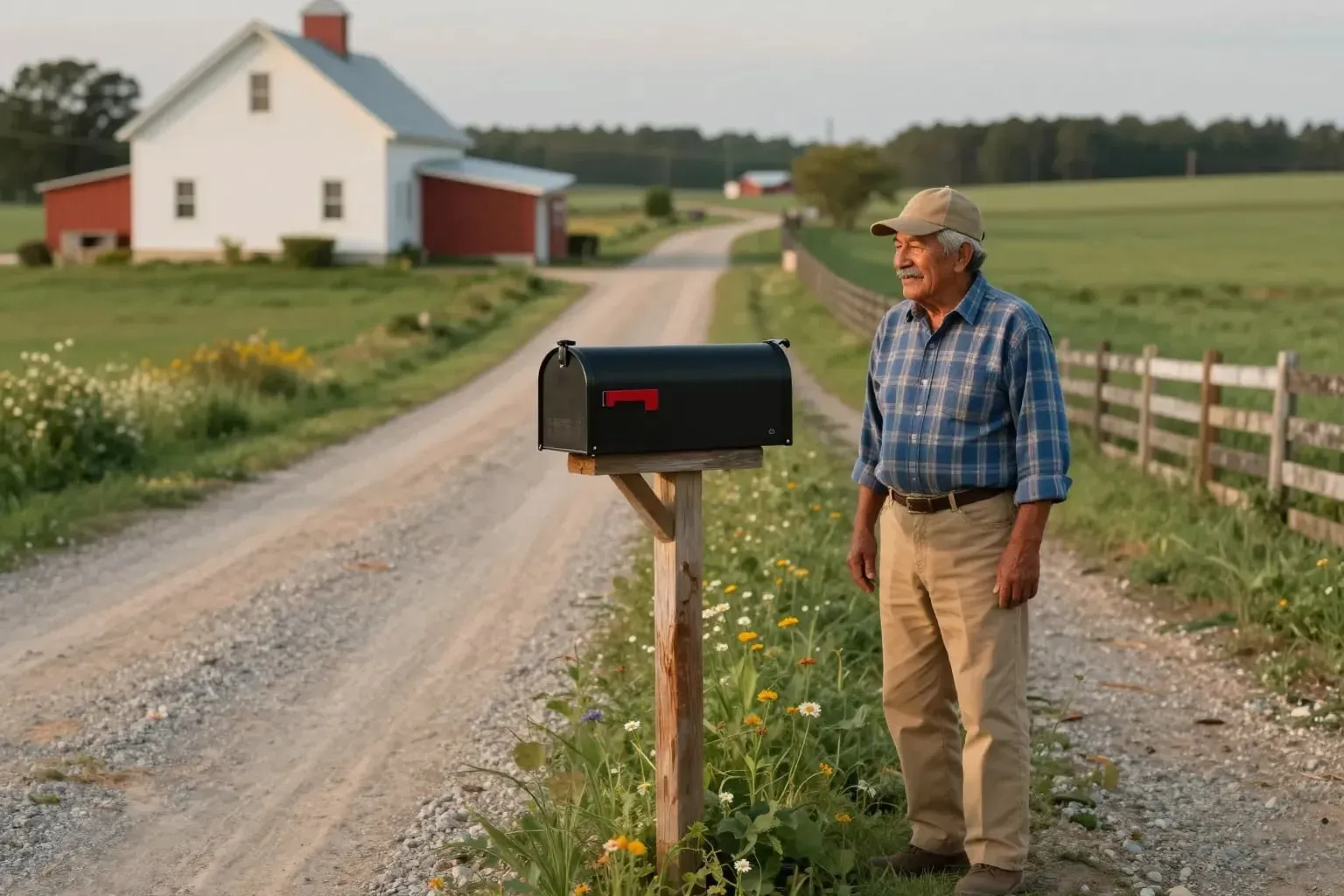
Accident insurance is a supplemental policy that pays you set cash amounts when a covered injury happens, such as a broken arm from a fall off a hay wagon or a sprained knee on a trail ride. It doesn’t replace your health plan. It helps with what your health plan leaves behind: the deductible, coinsurance, and the costs no health plan touches, like gas for long drives to physical therapy or paying someone to cover chores while you heal.
Why outdoor families look at it
Rural life has a steady supply of ways to get hurt. Livestock kick and crowd. Ladders slip on barn siding. Chainsaws bind. Tree stands fail. Kids fall off horses, trampolines and four-wheelers. None of that means you need every policy on the market, but it’s fair to ask what an injury would actually cost your household.
Start with your health plan’s out-of-pocket maximum. For ACA plans, that ceiling is $10,600 for one person and $21,200 for a family in 2026, rising to $12,000 and $24,000 in 2027, per HealthCare.gov (opens in a new tab). Your plan’s own number may be lower, but plenty of Bronze plans sit at or near the top. A single bad accident can use up most of that in one trip to the emergency room plus follow-up care.
Then add the costs outside the health plan entirely: mileage to an orthopedic surgeon two counties over, lost days of custom hay work, or hiring a neighbor’s teenager to feed cattle for six weeks. That’s the gap accident insurance is built to help fill.
How accident insurance works
Most accident policies pay according to a benefit schedule: a list of injuries and treatments with a fixed dollar amount next to each. Typical entries include emergency room visits, ambulance transport, fractures and dislocations, stitches, burns, imaging, hospital stays, surgery and follow-up therapy. When something on the schedule happens, the policy pays that amount, regardless of what the hospital billed.
A few key traits:
- Cash goes to you. Benefits are usually paid to the policyholder, not the hospital, and you choose how to spend them.
- Coverage is for accidents only. Illnesses like pneumonia or a heart attack aren’t covered by an accident policy.
- It’s an excepted benefit. Federal rules treat this kind of coverage as outside ACA requirements. That means it doesn’t have to follow ACA benefit or pre-existing condition rules, and it isn’t a stand-in for a major medical plan.
Some households look at a related product, fixed indemnity insurance, which pays set amounts per day in the hospital or per service. CMS requires a prominent notice (opens in a new tab) on fixed indemnity marketing and enrollment materials, starting with coverage periods on or after January 1, 2025, explaining that it is not comprehensive coverage. That’s good advice for any supplemental policy: it’s extra, not essential.
What major medical does vs. what an accident policy adds
| Situation | Your health plan | An accident policy |
|---|---|---|
| ER visit and X-ray after a fall from a ladder | Pays after your deductible and coinsurance | Pays a set amount for the ER visit and imaging, if listed |
| Broken wrist set in surgery | Covers surgery under plan rules | Pays a scheduled amount for the fracture and the surgery |
| Ground or air ambulance to a trauma center | Covers emergency transport under plan rules; air ambulance has federal surprise-billing protections | May pay a set ambulance benefit |
| Weeks of physical therapy 50 miles away | Covers visits, subject to cost-sharing and visit limits | Some policies pay per therapy visit; cash can cover fuel |
| Hiring help while you recover | Not covered | Cash can be used for anything |
| A sudden illness | Covered | Not covered |
For the air ambulance piece specifically, read Air Ambulance Bills and the No Surprises Act. Emergency flights are common out here, and federal protections cover much more than people assume.
Questions to ask before you buy
Policies vary more than people expect. These questions catch most of the surprises.
On the job or off the job?
Some accident policies cover injuries around the clock. Others cover only off-the-job injuries and expect workers’ compensation to handle work injuries. That matters a lot in farm country. Workers’ comp rules for agricultural work differ by state, and self-employed owners are often not covered by comp unless they elect it. If you’re hurt mending your own fence, which bucket is that? Ask how the policy defines covered accidents for self-employed farm and ranch work, and get the answer in writing.
What activities are excluded?
Read the exclusions page slowly. Policies commonly exclude injuries while intoxicated and intentional self-injury, and some exclude specific activities such as racing, professional rodeo or aviation as a pilot. If your family rides ATVs or UTVs, competes in youth rodeo, or hunts from elevated stands, ask directly. Our guide to ATVs and UTVs and when an auto policy covers them covers the vehicle side of that question.
How do benefits pay out?
- Is there a waiting period before coverage starts?
- Do you need to get treatment within a set number of days after the accident?
- Are benefits paid per accident, per injury, or with an annual cap?
- Does it cover your spouse and kids, and at what cost?
Is it individual or through work?
Some employers offer accident coverage as a voluntary benefit. Group versions may cost less to administer, but they may end when the job does. Seasonal workers should know what happens at the end of the season.
Who it fits, and who can skip it
It often fits:
- Households on high-deductible or Bronze plans with little cash set aside
- Self-employed farmers, ranchers and tradespeople who lose income when they can’t work
- Active families with kids in sports, rodeo or 4-H livestock projects
- People who live far from care and would face real travel costs during recovery
It may not be worth it if:
- You already have savings that comfortably cover your plan’s out-of-pocket maximum
- Your health plan has low cost-sharing
- You’d do better putting the premium into an HSA. Starting in 2026, Bronze and Catastrophic Marketplace plans count as HSA-eligible, so more rural households can now put pre-tax money aside for injuries and other medical costs.
A balanced approach many households use: pick a solid major medical plan first, build an HSA if eligible, and then decide whether an accident policy is worth the premium for your level of risk.
Checklist for comparing accident policies
- Your health plan’s deductible and out-of-pocket maximum, written down
- On-the-job vs. off-the-job coverage confirmed in writing
- Full exclusions list reviewed for your family’s activities
- Benefit schedule for the injuries you worry about most (fractures, ER, ambulance, therapy)
- Waiting periods and treatment deadlines
- Family coverage options and cost
- What happens to the policy if you change jobs or plans
- Premium compared against putting the same money into an HSA
How Pinemark approaches it
We start with your health coverage, not the add-on. Our licensed agents check your network, your deductible and your drugs on our Health Plans for Rural Families side first. Then, if it makes sense, we walk through accident and supplemental coverage and show you how benefits would line up against a realistic injury. For farm operations with employees, our Farm & Small Business Health team can look at group options. And if you’re far from the nearest hospital, Health Insurance in Rural Areas: Networks and Travel Distance explains why your network deserves the first look.
Most supplemental policies can be bought outside Open Enrollment, but changes to your main health plan usually need Open Enrollment or a qualifying life event (opens in a new tab).
Next step
If you’re weighing an accident policy against your deductible, book a free consultation with a licensed agent. We’ll lay out the numbers side by side, and there’s no cost to work with us.
Frequently asked questions
Is accident insurance the same as health insurance?
No. Accident insurance is a supplemental policy that pays set cash amounts for covered injuries. It doesn't meet ACA coverage standards and isn't a substitute for a major medical plan. It works alongside your health plan, not instead of it.
Does accident insurance pay if I'm hurt while working on my own farm?
Many policies cover injuries on and off the job, but some only cover off-the-job injuries, especially when workers' compensation is expected to apply. Read the policy's definition of covered accidents and its exclusions, and ask how it treats self-employed farm and ranch work.
Can I use accident benefits for things other than medical bills?
Generally, yes. Benefits are usually paid to you, and you decide how to spend them, whether on a deductible, fuel for trips to physical therapy, or covering a hired hand while you heal.
Will an accident policy cover injuries from riding an ATV or hunting?
It depends on the policy. Some exclude certain activities, such as racing or professional rodeo, and many exclude injuries while intoxicated. Ask for the exclusions list in writing before you buy if your family rides, hunts or competes.
Does accident insurance make sense if I have an HSA-eligible Bronze plan?
It can, because Bronze plans tend to have high deductibles. Cash from an accident policy can help cover that deductible while your HSA balance builds. Compare the premium against what you could set aside in the HSA instead.