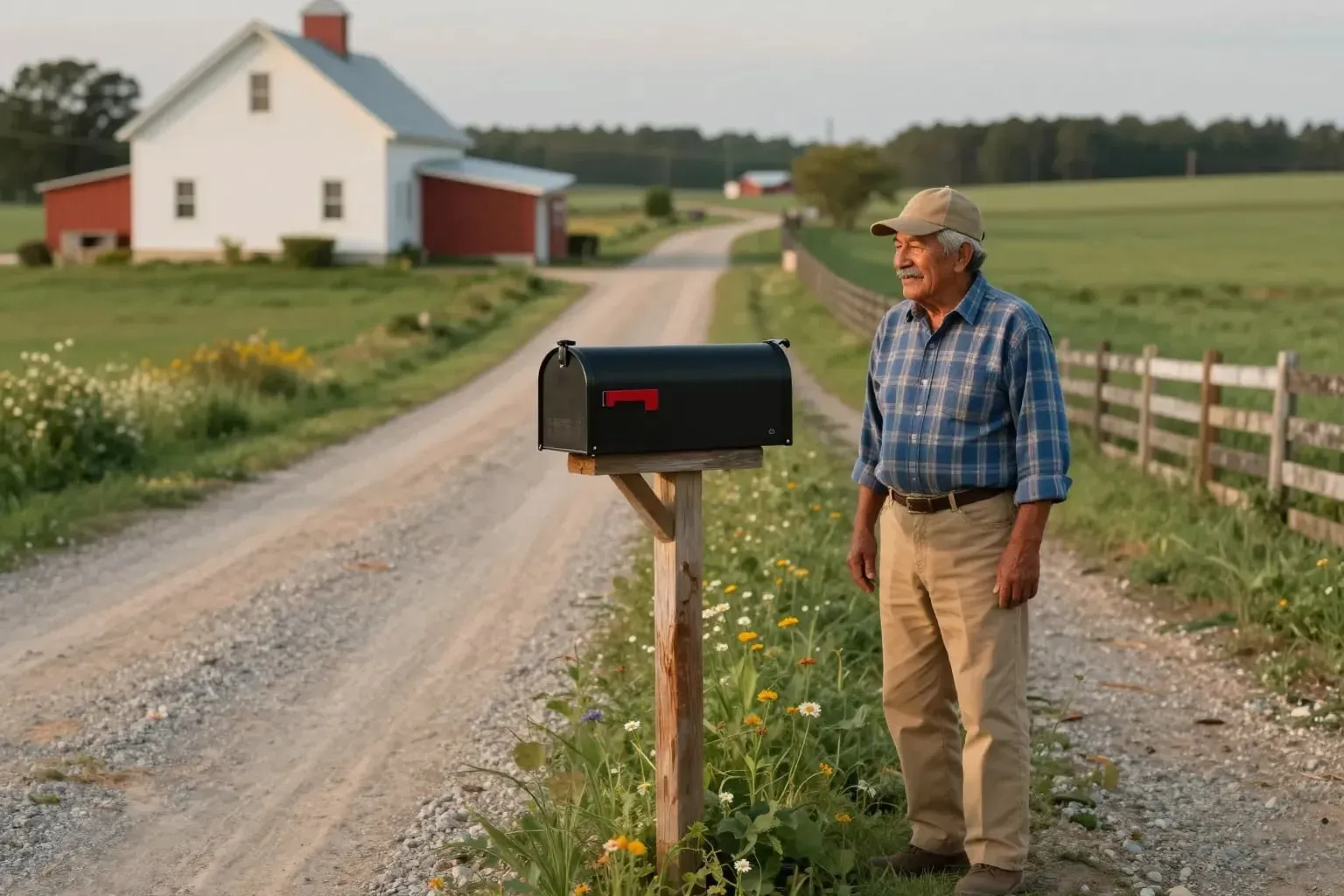
If the nearest pharmacy is a 40-minute drive, mail order can turn a monthly errand into a box at the end of your lane every three months. Most Marketplace and job-based health plans offer some form of home delivery or longer fills, but the price, the rules and which drugs qualify vary by plan. The key is to check your own prescriptions against your plan’s drug list and pharmacy terms before you make the switch.
Why this matters more out here
In town, a missed refill is an inconvenience. In the country, it can mean a half-day round trip during calving season, a drive on a slick county road in January, or a call to a pharmacy that closes at 5:30 on weekdays and doesn’t open Sundays. For a household managing a blood pressure medication, a thyroid pill and a child’s inhaler, those trips add up in fuel, time and missed work.
Mail order works best for maintenance medications, the ones you take every day for months or years. It’s less useful for a one-time antibiotic after a cut from barbed wire, where you need the drug today, not next week.
How mail-order coverage works on a health plan
Every plan with drug coverage keeps a formulary, its list of covered drugs sorted into cost tiers. HealthCare.gov explains (opens in a new tab) that drugs on that list usually cost you less, and that plans differ in which pharmacies are in their network. Mail order is simply one more pharmacy option layered on top of that list.
Here’s what to look for in your plan documents:
- Network pharmacies. Your plan contracts with certain pharmacies. If your local store isn’t in network, you may pay much more there. HealthCare.gov suggests (opens in a new tab) checking your insurer’s website or calling to confirm, and asking whether your prescription can be delivered by mail.
- Days’ supply. Mail-order programs commonly fill a three-month supply. Some plans let local pharmacies fill 90 days too.
- Cost-sharing by channel. The Summary of Benefits and Coverage often lists separate copays or coinsurance for retail and mail order. Sometimes mail order is lower; sometimes it’s the same.
- Specialty drugs. Many plans route high-cost or injectable medications through a designated specialty pharmacy, which may ship to you even if you’d prefer a local pickup.
If a drug isn’t on the list
Formularies change. If your pharmacy tells you a medication is no longer covered, HealthCare.gov recommends asking your insurer about a one-time refill and using the plan’s exceptions process. Your prescriber has to tell the plan why the drug is medically appropriate, such as when covered alternatives didn’t work or caused side effects. If the plan approves it, what you pay generally counts toward your deductible and out-of-pocket maximum. If it says no, you can appeal and ask for an independent review.
That process works the same whether the drug comes from the corner pharmacy or a warehouse two states away.
Local pickup vs. mail order vs. specialty pharmacy
| Local network pharmacy | Mail-order pharmacy | Specialty pharmacy | |
|---|---|---|---|
| Best for | Short-term and urgent prescriptions | Daily maintenance medications | High-cost, injectable or closely monitored drugs |
| Typical supply | 30 days, sometimes 90 | Often up to 90 days | Varies by drug and plan |
| Speed | Same day, if in stock | Several days to ship; plan for weather and holidays | Scheduled deliveries, often with a call ahead |
| Face-to-face advice | Yes, from a pharmacist you know | By phone or online | By phone, often with nurse support |
| Watch out for | Out-of-network pricing if the store leaves the network | Heat or freezing in a roadside mailbox; packages that can’t go to a PO box | Plans that require this channel for certain drugs |
None of these is right for every prescription. Plenty of rural families use all three: the local pharmacy for urgent needs, mail order for the daily pills, and a specialty pharmacy for one complex medication.
When a parent’s prescriptions run through Medicare
If you pick up refills for an older parent along with your own, theirs may run on different rules. Medicare drug coverage keeps its own pharmacy terms, and Medicare.gov’s pharmacy page (opens in a new tab) notes that some drug plans offer mail-order programs and some have preferred pharmacies that charge less than others in the network. Pinemark doesn’t sell Medicare plans, so for questions about how a parent’s drug plan handles delivery to a rural address, go to the plan itself, 1-800-MEDICARE (1-800-633-4227) or your State Health Insurance Assistance Program (SHIP). The delivery tips below apply to any prescription headed for a country mailbox, whoever’s name is on the label.
Practical realities of rural delivery
Mail order solves the distance problem, but country addresses bring a few of their own:
- Mailbox temperatures. A metal box on a post can get very hot in August and well below freezing in February. Some medications are sensitive to temperature. Ask the pharmacy how a drug ships and whether it can be held for pickup or sent with insulated packaging.
- Address quirks. Some carriers won’t deliver to a PO box, and rural-route or 911-style addresses sometimes confuse shipping systems. Confirm the address the pharmacy has on file matches what delivery drivers can find.
- Weather and holidays. A snowstorm or a long holiday weekend can add days. Reorder when you’re down to about two weeks of pills rather than two days.
- Someone to sign. Certain shipments need a signature. If everyone’s out in the field during the day, ask about delivery options or a neighbor’s address you trust.
Checklist before you switch to mail order
- List every maintenance medication in the household, with dose and how often it’s taken
- Confirm each drug is on your plan’s formulary and note its tier
- Compare the retail and mail-order cost for a three-month supply
- Ask whether any drug must go through a specialty pharmacy
- Check how temperature-sensitive drugs are packaged and shipped
- Confirm the delivery address works for the shipping carrier
- Ask your prescriber to send new 90-day prescriptions to the mail-order pharmacy
- Set up refill reminders or automatic refills, if the plan offers them and you want them
- Keep a local network pharmacy on file for urgent and short-term prescriptions
Use open enrollment to line up plan and pharmacy
The time to fix a pharmacy problem is before you pick next year’s plan. For 2027 coverage, HealthCare.gov Open Enrollment runs from November 1, 2026 to January 15, 2027, and you need to pick a plan by December 15 for coverage that starts January 1, as HealthCare.gov describes (opens in a new tab). States that run their own exchange may set different dates. If drug coverage ends midyear because a seasonal job or a spouse’s plan wraps up, you may not have to wait for fall; our special enrollment and seasonal changes page explains the window that opens after losing coverage.
When we compare health plans for rural families, we enter each household’s prescriptions and check them against each plan’s drug list and pharmacy network, including whether the hometown pharmacy is in network and how mail order is priced. It pairs well with checking doctors and hospitals, which we cover in Health Insurance in Rural Areas: Networks and Travel Distance. If a prescriber is hours away, our post on PPO vs. HMO when specialists are hours away explains how network type affects referrals, and Telehealth in Rural Communities covers getting prescriptions renewed by video visit.
Next step
If you’d like a second set of eyes on how your prescriptions fit next year’s plans, book a free consultation with a licensed agent. Bring your medication list and pharmacy, and we’ll show you how each option handles them.
Frequently asked questions
Does every health plan offer mail-order prescriptions?
Many do, but not all, and the terms differ. Some plans run their own mail-order pharmacy, some contract with one, and some offer longer fills at local pharmacies instead. Check the plan's drug list and pharmacy directory, or ask the insurer directly whether your specific prescriptions can be mailed.
Is mail order always cheaper than picking up at the local pharmacy?
Not always. Some plans charge less for a three-month mail-order fill, while others price it the same as a local 90-day fill. The real answer is in your plan's cost-sharing for each drug tier, so compare the two before you switch.
What if my plan stops covering a drug I get by mail?
Ask the insurer about a one-time refill while you sort it out, and talk with your prescriber about the plan's exceptions process. If an exception is denied, you can appeal and ask for an independent review.
Can I get a three-month supply without using mail order?
Sometimes. Some plans let local network pharmacies fill a 90-day supply of maintenance drugs, which can suit a household that likes knowing the pharmacist. Check your plan's pharmacy terms or call the insurer to ask how a local 90-day fill is priced next to mail order.
What should I do if a weather delay means my refill won't arrive in time?
Call the plan or the mail-order pharmacy right away and ask about an emergency or short fill at a local network pharmacy. To avoid the scramble, reorder early so you always have a buffer of a week or two on hand.