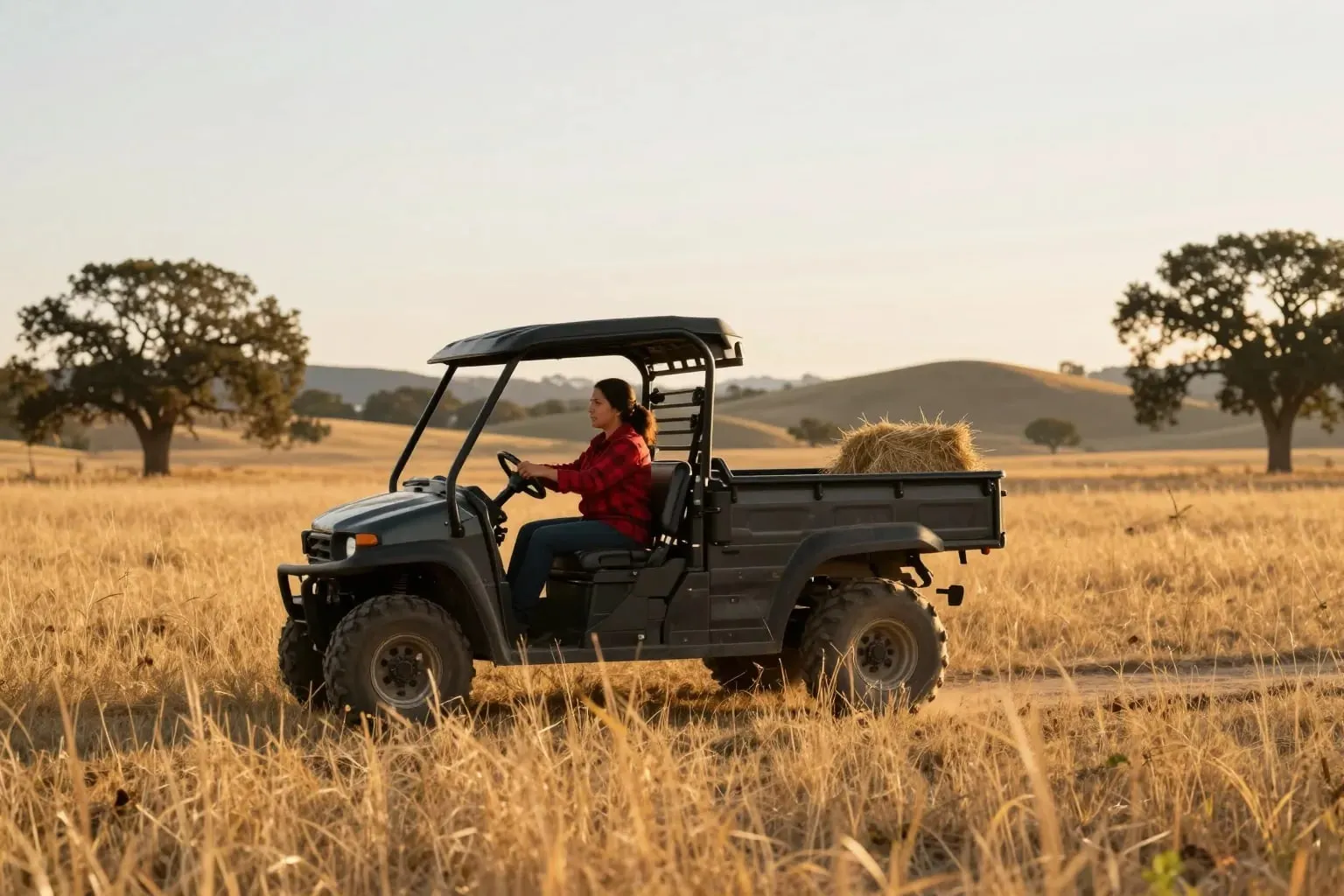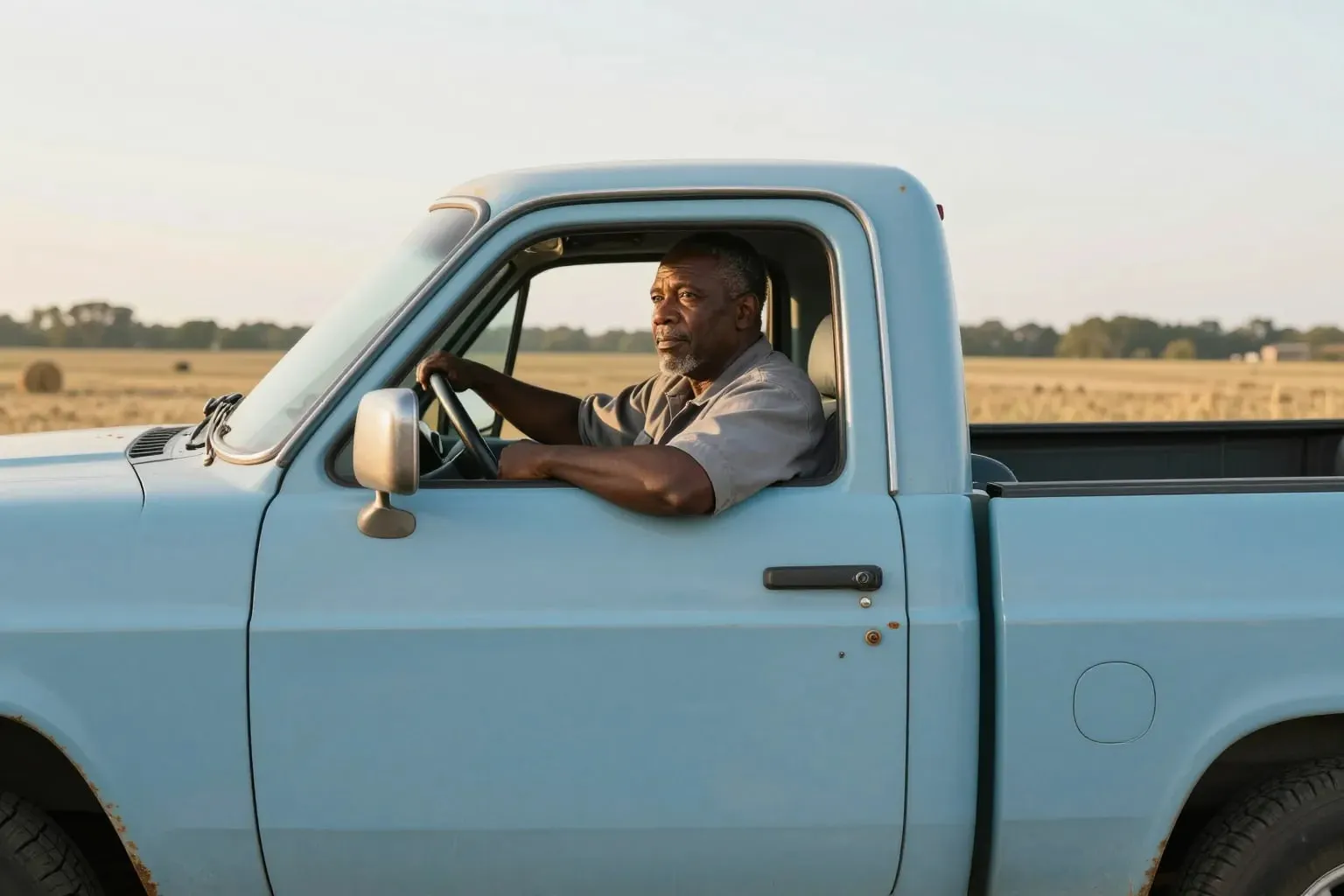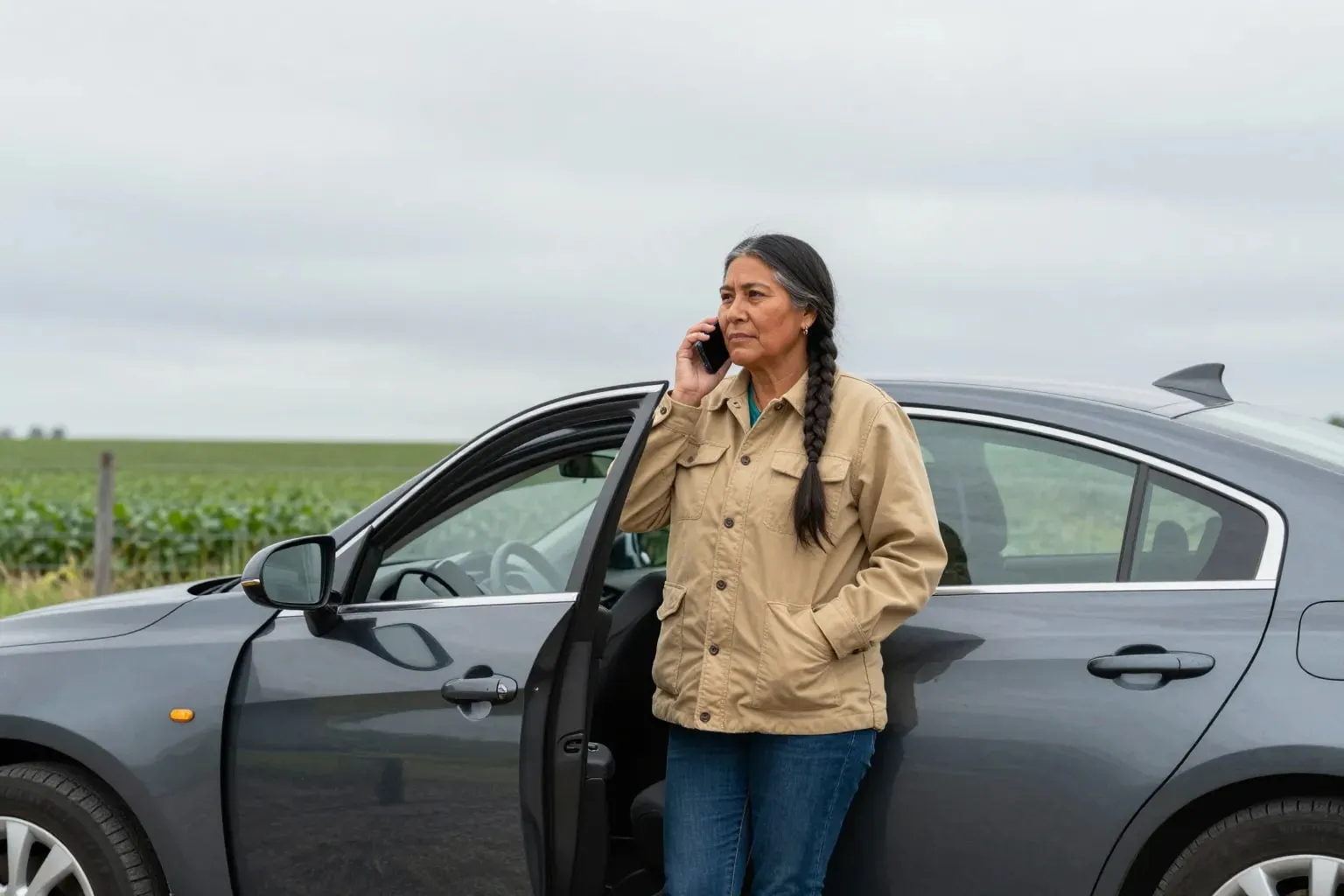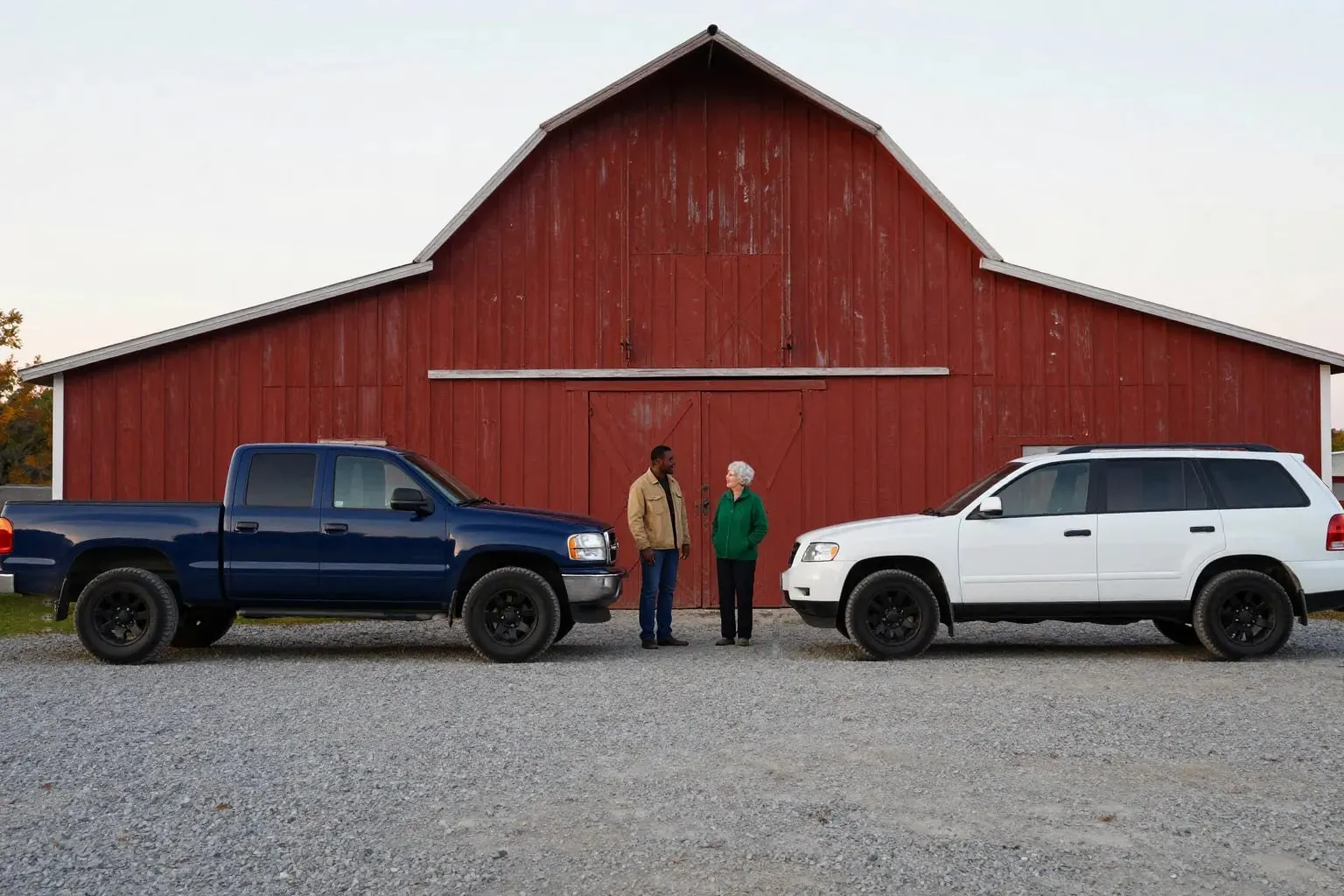
A household with several vehicles usually does best with one policy that lists every driver honestly, sets liability limits that protect everything you own, and then fits collision and comprehensive to each vehicle’s value and job. Farm and work use is the piece people most often get wrong: if a truck hauls cattle, feed or equipment, the policy needs to say so, and some vehicles may belong on a farm or commercial policy instead.
Here’s how we approach a driveway with a commuter car, a half-ton, a one-ton flatbed and a teenager who just got a license.
Start with an honest inventory
Before talking about prices, list what you actually have and how it’s used. The NAIC recommends that you disclose all drivers and any business use to your insurer (opens in a new tab) and check that the VIN and vehicle details on your declarations page are correct. In a multi-vehicle home, that means:
- Every vehicle, including the old truck that only runs at harvest.
- Every licensed driver in the household, including teens with permits once they’re licensed, adult children living at home, and relatives who stay for long periods.
- Who drives what most often. Insurers may assign drivers to vehicles, and that assignment can affect the premium.
- Titles. Is each vehicle titled to you personally, to a spouse, or to a farm or ranch business?
- Use. Commuting, personal, farm work, a trade business, deliveries, rideshare.
- Liens. The NAIC notes that lenders typically require full coverage on financed vehicles, and you should have the lienholder removed from the policy once the loan is paid off.
A sample setup (hypothetical)
Imagine a household with four vehicles and three drivers. This isn’t a recommendation for your situation, just an illustration of how coverage is often matched to each vehicle:
| Vehicle | Main use | Collision | Comprehensive | Things to flag |
|---|---|---|---|---|
| Newer financed crew-cab pickup | Commuting, towing a stock trailer on weekends | Yes (lender requires it) | Yes | Towing use, gap coverage if the loan exceeds value |
| Midsize sedan | Long highway drives to work and appointments | Yes | Yes | High annual mileage |
| Older paid-off half-ton | Farm chores, short runs on gravel | Maybe not | Often yes | Farm use; see our older vehicle guide |
| One-ton flatbed titled to the farm business | Hauling hay and equipment | Depends on value | Depends on value | May belong on a farm or commercial policy |
The liability limits usually apply to the whole policy, so the person driving the old half-ton has the same liability protection as the person in the new pickup. That’s important: a crash in the oldest truck can do just as much harm to someone else.
Liability limits: set them for the household
Triple-I recommends that drivers carry more than the state minimum liability (opens in a new tab), because a serious crash can lead to claims that go after your home and savings. In a farm family, those assets may include land, equipment and a business. More vehicles and more drivers mean more chances for something to go wrong, so it’s worth sizing liability for what you have to protect. An umbrella policy, if you have one, usually requires certain underlying auto limits, so check that the two line up.
Physical damage: decide vehicle by vehicle
Collision and comprehensive are optional unless a lender requires them, and Triple-I notes they pay based on repair costs minus your deductible (opens in a new tab). That means you can make different choices for each vehicle:
- Newer or financed vehicles generally keep both.
- Older vehicles may be candidates for dropping collision while keeping comprehensive, which handles deer, hail, theft and glass. Our guide on when to drop collision on an older vehicle lays out the math.
- Gravel-road vehicles see more glass claims, so the comprehensive deductible and any glass coverage matter. See gravel roads and windshield claims.
Farm use and business use
This is where multi-vehicle rural households have the most at stake. How an insurer classifies a vehicle (personal, farm or business) affects the price and whether a claim is paid as expected.
Questions we ask about each truck:
- What does it haul, and how heavy are the loads?
- Does it pull a trailer, and whose trailer is it?
- Is it used for a business other than the farm, like a trade, custom hay work or deliveries?
- Do employees or hired hands drive it?
- Is it titled to an individual or to a business entity?
- Does it have farm plates or a special registration?
Rules on farm vehicles, farm plates and road use vary by state. For example, the Texas DMV allows certain off-highway vehicles to be driven on public roads without a plate by a farmer or rancher (opens in a new tab) for agricultural purposes, during daylight and within limited distances, with safety flag and lighting requirements. Rules like that are about registration and road use. They don’t tell you whether your auto policy covers that vehicle, which is a separate question. Our post on ATVs and UTVs goes into that gap.
When work use goes beyond what a personal auto policy is built for, a farm or commercial auto policy may be the right home for that vehicle. Our farm, ranch and business-use vehicles page explains how we sort that out, and our post on insuring pickup trucks covers towing and payload questions.
New and young drivers
Adding a teen driver changes a multi-vehicle policy more than almost anything else. A few practical points:
- Driver assignment. Some insurers rate the youngest driver on a particular vehicle. Ask how assignment works and whether putting the teen on an older, lower-value vehicle changes the outcome.
- Discounts. Triple-I lists good-student and away-at-school discounts among the ones to ask about. A student living at school without a car may qualify.
- Farm kids who drive young. Some states issue restricted farm permits or licenses. Ask how your insurer treats them.
Discounts worth asking about
Triple-I’s list of ways to lower auto insurance costs (opens in a new tab) includes several that apply to bigger households:
- Insuring multiple vehicles with the same insurer
- Bundling auto with homeowners or farm property coverage
- Low annual mileage on vehicles that don’t get driven much
- Clean driving records and defensive driving courses
- Anti-theft devices
- Good-student discounts for young drivers
- Long-time customer status with some insurers
Triple-I also cautions that the final price matters more than the number of discounts (opens in a new tab). Sometimes splitting vehicles across insurers costs less. We compare complete quotes with the same coverage so you can see the real difference.
Checklist: before you quote a multi-vehicle policy
- VIN, year, make and model for every vehicle
- Title holder for each vehicle (personal or business)
- Lienholder information for any financed vehicle
- Every licensed driver in the household, with driver’s license details ready for the application
- Each driver’s accidents and violations from the last several years
- Main use and rough annual mileage per vehicle
- Trailers and what they haul
- Any business or farm work done with each vehicle
- Your current declarations page so we can compare coverage line by line
- Any SR-22 or FR-44 filing a driver needs (see high-risk auto and SR-22 filings)
Mistakes we see in multi-vehicle homes
- Leaving a driver off the policy to keep the price down.
- Calling a work truck personal use when it hauls for a business.
- Paying for collision on a vehicle worth very little, or dropping it on a vehicle you couldn’t afford to replace.
- Forgetting to remove a sold vehicle or add a new one within your insurer’s grace period.
- Never revisiting the setup after a teen leaves for school, a vehicle is paid off or a business is formed.
Next step
A driveway full of trucks and cars deserves one careful review rather than a policy that grew by accident. Book a free consultation with a licensed agent, and we’ll go vehicle by vehicle with you. Learn more about our truck and auto insurance as well.
Frequently asked questions
Do all my vehicles have to be on one policy?
Not always, but keeping them with one insurer often makes discounts available and keeps liability limits consistent. Vehicles titled to a farm business or used mainly for commercial work may belong on a separate commercial or farm policy. We look at titles and use before recommending a setup.
Do I have to list every driver in the household?
Insurers generally expect you to list all licensed household members and regular drivers, or formally exclude them where your state allows. Leaving out a teen or a live-in relative who drives can create problems when a claim comes in.
Can different vehicles have different coverage?
Yes. Liability limits usually apply across the policy, but collision and comprehensive are chosen vehicle by vehicle. A new financed pickup may need full physical damage coverage while an old field truck carries liability only.
Is a truck used on the farm considered business use?
It can be. How insurers classify farm use varies, and some treat farm use as its own category. Tell your agent what the truck hauls, how far, and who drives it, so the policy matches the actual use.
Does a multi-car discount always mean a lower total price?
Not automatically. Triple-I notes that the final price matters more than the number of discounts, and separate policies can sometimes cost less. Comparing full quotes with the same coverage is the reliable way to know.
Sources
- Triple-I: Nine ways to lower your auto insurance costs (opens in a new tab)
- NAIC: Best practices for buying auto insurance (opens in a new tab)
- Triple-I: What is covered by collision and comprehensive auto insurance? (opens in a new tab)
- Triple-I: What is covered by a basic auto insurance policy? (opens in a new tab)
- Texas DMV: Unique vehicles (off-highway vehicles and agricultural road use) (opens in a new tab)